
7 Surprising Things I Learned During an Eco-Diamond Engagement Ring Consultation
Buying an engagement ring felt overwhelming at first—there were so many options, and I had no idea where to start. To make sense of it all, I attended an Eco-Diamond consultation with Mei Koh, Sales Ambassador at Gordon Max, Singapore’s go-to for lab-grown and eco-diamonds.
Eco-Diamonds are stunning alternatives to mined diamonds, offering the same brilliance and prestige but without the ethical concerns of traditional mining. After the consultation, I walked away with some key tips that made my decision easier. Whether you’re considering lab-grown diamonds, moissanite, or mined stones, these 7 takeaways will help you make an informed choice:
1. Book a Consultation Early
Surprise proposals are undeniably romantic, but choosing the perfect engagement ring without any input can be a challenge. Visiting a jeweller together gives you the chance to understand your partner’s preferences—everything from style and gemstones to the ideal fit—helping you avoid the risk of selecting a ring that falls short. The best part? You can still keep the proposal a surprise by subtly involving them in the process. This way, the moment remains magical, and the ring is everything they’ve ever dreamed of. Think of it as preshopping for perfection.
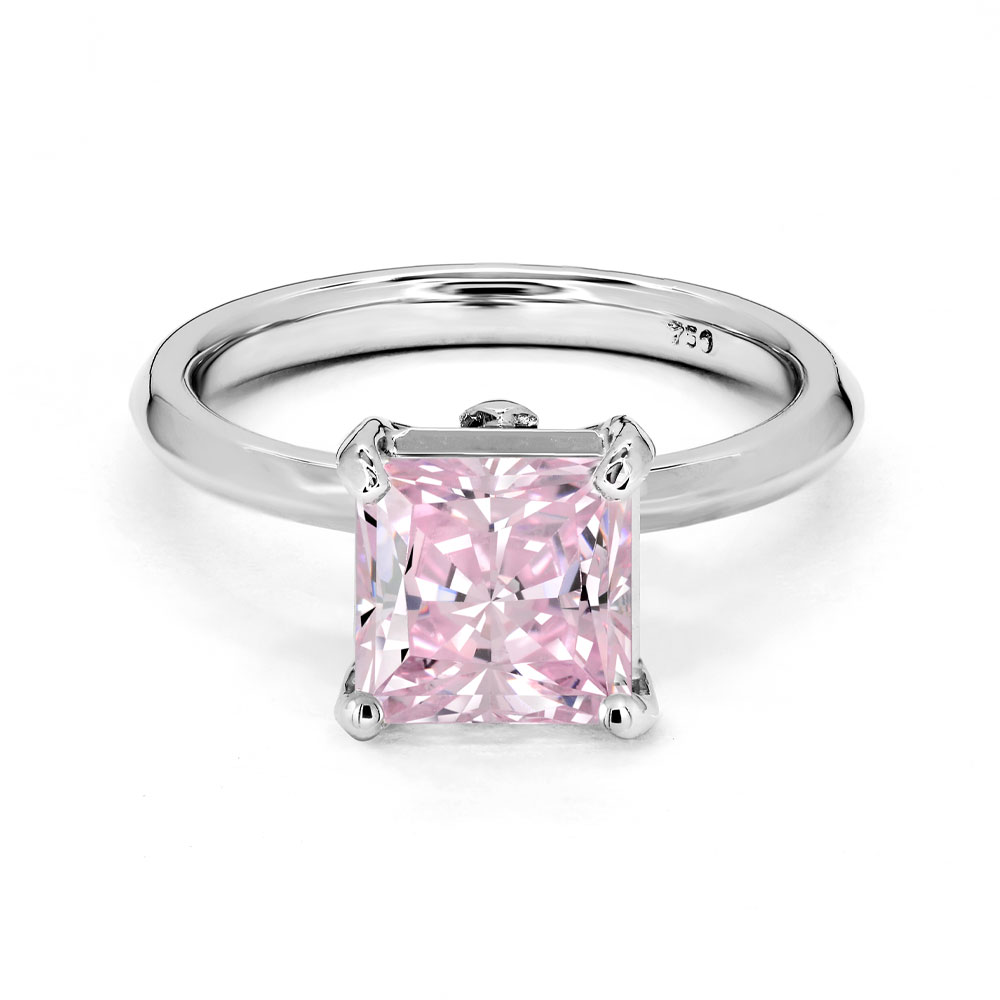
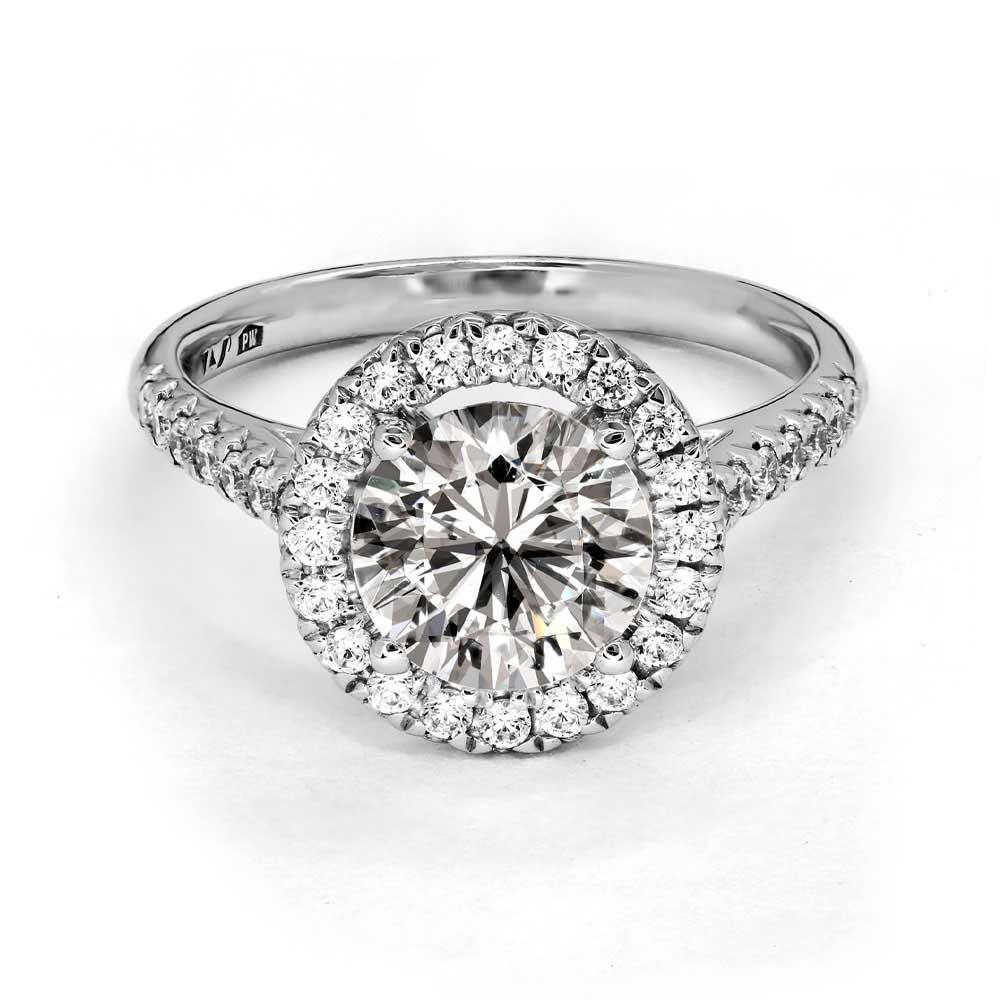
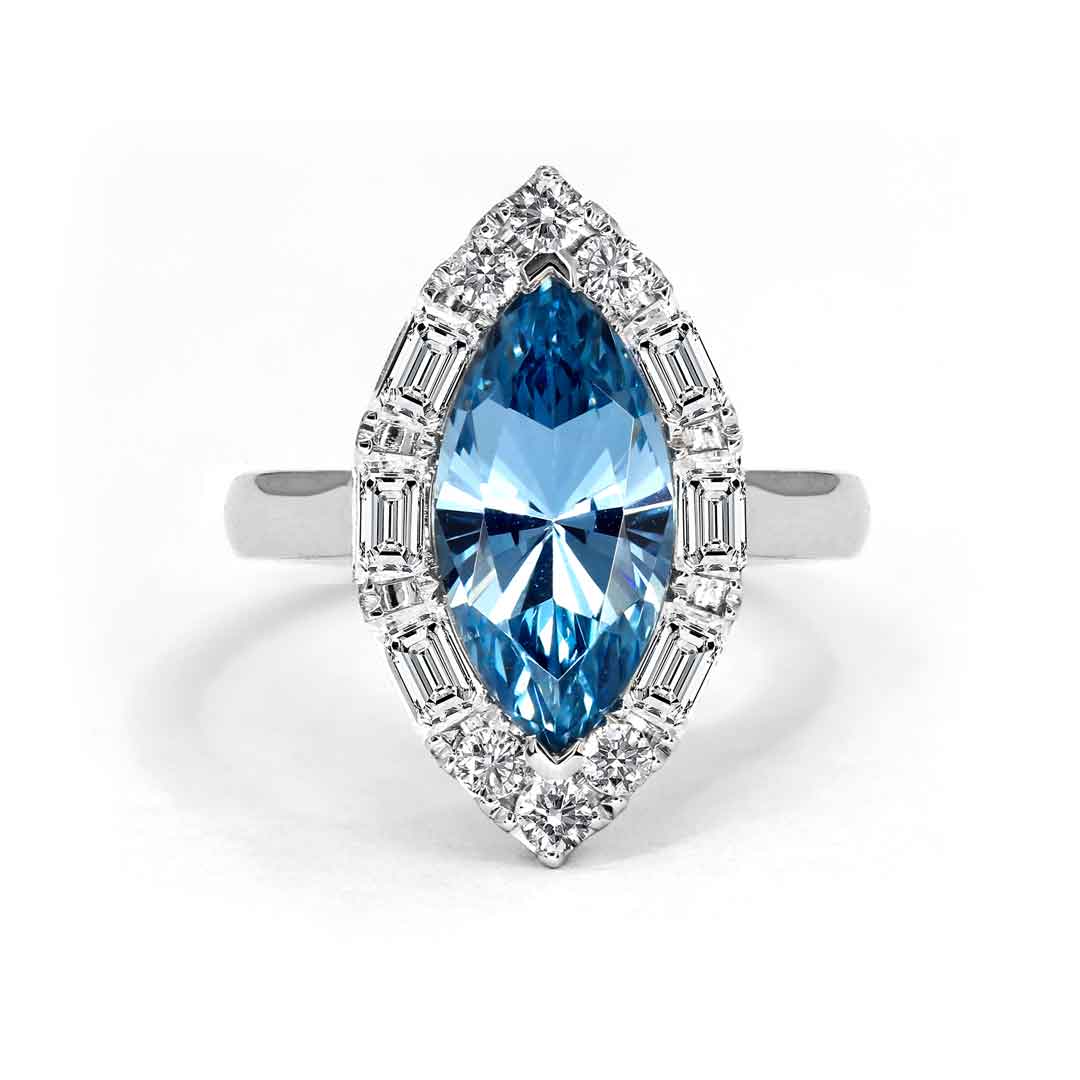
2. Platinum vs. White Gold? Know the Difference
Platinum is an incredibly durable metal, known for its strength and resistance to wear, making it ideal for everyday jewelry like engagement rings. Its naturally white color means it doesn’t require re-plating over time to maintain its appearance, but this premium quality comes with a higher price tag. White gold, on the other hand, is a more affordable option upfront and offers a similar bright, white appearance. However, it’s made by mixing gold with other metals and coated with rhodium, which gives it its shine. To keep its polished look, white gold requires regular rhodium re-plating over time, adding some maintenance costs down the line.
3. 14K or 18K Gold: What’s Right for You?
14K gold (58% pure) is harder and better for everyday wear, while 18K gold (75% pure) has a richer color but is softer and more delicate. Personally, I’ve always opted for 14K gold because I’m constantly on the go, and it holds up beautifully through all the wear and tear of daily life. My best friend, on the other hand, swears by 18K gold for its luxurious look—she loves how it catches the light on special occasions. It really comes down to your lifestyle and what works for you
4. Match Your Metals
If you plan to pair your engagement ring with a wedding band, it’s important to choose the same metal for both. For example, if your engagement ring is platinum, opt for a platinum wedding band to match. Mixing different metals, such as gold and platinum, may cause wear and tear over time due to differences in hardness. Matching metals not only ensures durability but also creates a cohesive and polished look for your rings.
5. Carat Weight Isn’t Everything
A one-carat diamond can vary in appearance depending on the shape and cut of the stone, as well as how it’s set in the ring. For example, a round brilliant cut may appear smaller than an oval or marquise cut of the same carat weight due to differences in surface area. It’s always a good idea to try on different options to see how they look on your hand and to find the style that best complements your personal preferences and finger size.
6. The Cut Matters Most
According to Mei Koh, who has been working with Gordon Max for over 20 years, the right diamond cut is essential for maximizing sparkle and can even make a smaller diamond appear larger. This effect is achieved through a shallow but well-proportioned cut that reflects light beautifully, enhancing the diamond’s brilliance and fire. However, Mei advises that if the cut is too shallow, the diamond loses its brilliance as light escapes through the bottom instead of reflecting back to the eye. Striking the perfect balance in proportions ensures the diamond looks stunning from every angle.
7. Eco-Diamonds vs. Moissanite vs. Mined Diamonds
Lab-grown Eco-Diamonds are identical to mined diamonds in sparkle, color, and clarity, offering the same breathtaking beauty without the ethical concerns often associated with traditional diamond mining. These diamonds are created in a controlled environment, replicating the natural process, which makes them a sustainable and environmentally friendly choice. On the other hand, Moissanite is a stunning and affordable alternative, known for its unique brilliance and fire, though it has a slightly different look and feel compared to diamonds.
Eco-Diamonds strike the perfect balance between luxury and sustainability, combining the elegance of a premium gemstone with the peace of mind that comes from knowing your choice supports ethical practices. Gordon Max’s Eco-Diamonds, for example, are D-Color with VVS1 clarity—an exceptional quality that truly stands out.
Choosing an engagement ring is a deeply personal decision, and it’s about more than just the sparkle. For me, lab-grown Eco-Diamonds were the ideal mix of beauty, sustainability, and guilt-free luxury. They represent not only a significant milestone but also values that align with my beliefs. If you’re exploring your options, take the time to research and reflect on what matters most to you and your partner—whether it’s sustainability, affordability, or classic beauty—so you can find the perfect ring that tells your story.
This is more than a ring—it’s a reflection of your love story and values. Make it count.
About the writer:
Isla Davenport is a London-born writer who has spent her early thirties chasing beauty across continents — from the jewel markets of Jaipur to the ateliers of Paris. With a background in art history and a penchant for champagne-fueled conversations about craftsmanship, she writes with the belief that every piece of jewellery carries not just brilliance, but a story.
Her work blends an appreciation for heritage with an eye for modern elegance, making her a trusted voice for discerning readers seeking meaning in luxury.